
Skip to content
Blackcoin logo
Menu
  • Home
  • Casino Bonus Types & Strategies
  • Casino Games Guides
  • Casino Mobile & App Guides
  • Casino Payment Methods
  • Fast Payout / Instant Withdrawal
  • High Roller & VIP Programs
  • Legal & Responsible Gambling
  • Live Dealer / Live Casino
  • New Zealand Casinos
  • No-Deposit Bonuses
  • Online Casino Reviews
  • UK Casinos
  • US Casinos
  • Australia Casinos
Menu

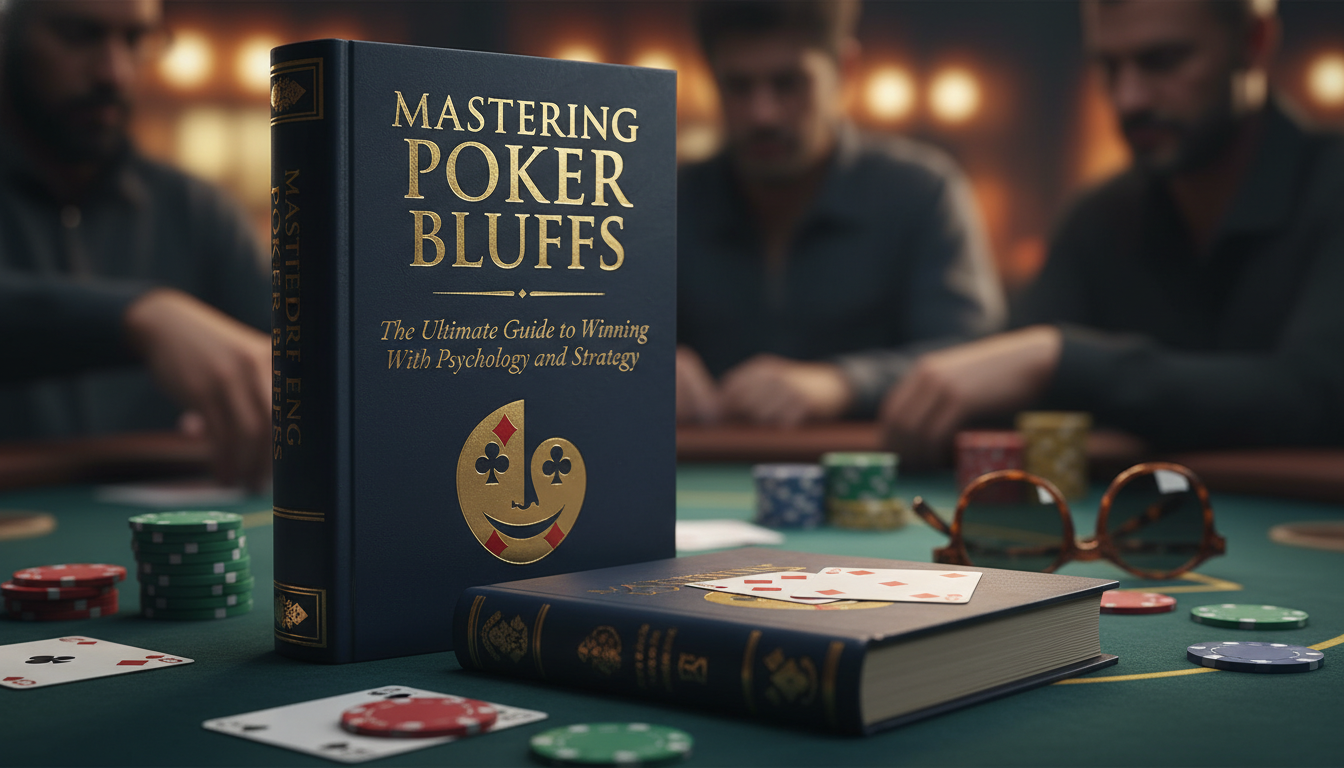
Mastering Poker Bluffs: The Ultimate Guide to Winning With Psychology and Strategy

Posted on December 25, 2022

Poker bluffs represent one of the most fascinating and strategically critical elements in the game of poker. At its core, a bluff is a carefully crafted deception where players bet or raise with a hand that is unlikely to be the best, with the specific goal of making opponents fold stronger hands. Understanding when, how, and against whom to employ poker bluffs separates recreational players from serious contenders. Successful bluffers don’t merely push chips forward randomly; they analyze board textures, read opponents’ tendencies, assess their own table image, and calculate optimal bluffing frequencies. While some beginners mistakenly view bluffing as reckless gambling, seasoned professionals recognize it as a calculated tool that significantly expands winning opportunities beyond simply relying on being dealt premium cards. This comprehensive guide explores the nuances of poker bluffs, from basic concepts to advanced applications, providing actionable insights that can transform your approach at the table regardless of whether you’re playing cash games, tournaments, or online poker.

Key Takeaways

  • Poker bluffs work when opponents perceive you’re representing a strong hand they can’t beat
  • Semi-bluffs with drawing hands offer equity if called, making them more profitable than pure bluffs
  • Bluffing success depends on opponent tendencies, board texture, and your established table image
  • Optimal bluffing frequency follows mathematical principles based on pot odds and bet sizing
  • Timing bluffs on scare cards (flush or straight completers) increases effectiveness
  • Effective bluffing requires consistent storytelling through betting patterns across multiple streets
  • Bluff less against calling stations and more against tight/folding-prone opponents
  • Successful bluffing earns table respect that can lead to more value with strong hands
  • Reading physical and betting tells helps both in executing and defending against poker bluffs
  • The best players balance bluffing with value betting to maintain unpredictability

Table of Contents

  1. What Is Bluffing?
  2. The Importance of Bluffing in Poker
  3. Common Types of Poker Bluffs
  4. The Optimal Times to Bluff
  5. Basic Math for Successful Bluffing
  6. Your Table Image Matters
  7. Reading Your Opponents’ Bluffs
  8. Assessing Your Opponents’ Tendencies
  9. Bluffing Against the Right Opponents
  10. The Power of the Semi-Bluff
  11. When to Avoid Bluffing Completely
  12. Bluffing From Different Positions
  13. Consider Bet Sizing for Maximum Impact
  14. When the Board Favors Your Bluff
  15. Triple Barrel Bluffing Strategy
  16. Re-Evaluating Your Bluffs on Turn and River
  17. Sample Hand Walkthroughs with Bluffs
  18. Psychological Bluffing: Mind Games at the Poker Table
  19. Common Bluffing Mistakes to Avoid
  20. What Experts Say About Poker Bluffs
  21. Continuous Learning and Improvement
  22. Frequently Asked Questions

What Is Bluffing?

At its simplest definition, poker bluffs refer to bets or raises made with hands that are unlikely to be the strongest in the current situation. Bluffing is the strategic act of convincing opponents that your hand is stronger than it actually is, with the specific goal of inducing folds from hands that would otherwise win the pot at showdown.

There are two primary categories of poker bluffs:

Pure Bluffs

A pure bluff occurs when you bet or raise with a hand that has little to no chance of improving to the best hand by showdown. This “stone-cold bluff” relies entirely on your opponents’ willingness to fold better hands. Pure bluffs carry significant risk because if called, you have virtually no way to win the pot. They’re most effective against tight players on dry boards where scare cards have appeared.

Semi-Bluffs

Semi-bluffs represent a more sophisticated approach. This is when you bet or raise with a hand that currently isn’t the best but has significant potential to improve on future streets. Examples include flush draws, straight draws, or strong overcards. The beauty of semi-bluffing is twofold: you may force immediate folds (achieving the bluff’s purpose), or if called, you still have outs to potentially make the best hand by showdown.

It’s crucial to understand that bluffing isn’t random deception. Every successful bluff tells a coherent story that aligns with betting patterns and board textures. When you raise preflop from early position, then c-bet the flop and continue firing on later streets, your actions should logically represent hands that connect well with the community cards. Inconsistent storytelling—such as slow-playing premium hands while aggressively bluffing with weak ones—makes your bluffs easier to detect.

The Importance of Bluffing in Poker

Bluffing isn’t just an option in poker—it’s an essential strategic component that directly impacts your long-term profitability. Without incorporating well-timed poker bluffs into your game, you become entirely predictable and easier to exploit. Consider these critical benefits of effective bluffing:

Benefit Description Long-Term Impact
Expanding Winning Opportunities Win pots without having the best hand Increases overall win rate beyond card distribution luck
Building Table Image Establish credibility that translates to more value Earns respect that makes value bets more profitable
Psychological Pressure Forces opponents into difficult decisions Induces mistakes that accumulate over time
Strategic Balance Mixes play to prevent predictability Makes both bluffs and value bets more effective

Bluffing forces your opponents to make decisions based on incomplete information. Without bluffs in your strategy, observant opponents will quickly learn that your bets always represent strength, allowing them to fold profitably whenever you show aggression. This phenomenon creates what poker theorists call a “non-exploitable strategy” when balanced correctly.

As legendary poker pro Doyle Brunson once stated: “If you never bluff, you can’t win at poker. Period. You might as well play with your cards face up.” This sentiment underscores how bluffing fundamentally changes the strategic landscape of the game. Players who master poker bluffs expand their winning opportunities beyond merely relying on premium starting hands.

“Many players think about bluffing as something special you do occasionally, but in reality, bluffing should be woven into the fabric of your entire strategy. Every bet you make should be part of a balanced range that includes both value hands and bluffs. When you get to a river and check because you have only strong hands in your range, you’re leaving money on the table because smart players will exploit this predictable behavior.” – Jonathan Little, Two-Time WPT Champion and Poker Author

Common Types of Poker Bluffs

Poker bluffs come in various forms, each designed for specific situations. Mastering multiple bluff types keeps your game unpredictable and makes you more difficult to play against. Let’s examine the most frequently used bluffs with examples:

Continuation Bet (C-Bet)

The continuation bet represents perhaps the most common poker bluff. This occurs when the pre-flop aggressor bets on the flop regardless of whether the board improved their hand. Modern poker strategy suggests c-betting frequencies between 60-85% depending on board texture and opponents.

Example: You raise to $10 from middle position with K♥9♥, the button calls, and the flop comes Q♦7♣2♠. You bet $15 into the $23 pot. This flop misses your actual hand, but it connects well with your pre-flop raising range (which includes many strong queen holdings). Your bet tells a believable story that you’ve connected with the board.

Semi-Bluff

As mentioned earlier, the semi-bluff combines immediate fold equity with future potential. Unlike pure bluffs, semi-bluffs carry reduced risk because they retain equity if called.

Example: On a T♠8♠2♥ board, you bet with A♠9♠ as a semi-bluff. You’re representing top pair or better, and if called, you still have 9 flush outs to potentially win the pot later.

Triple Barrel Bluff

This advanced bluff involves betting all three post-flop streets (flop, turn, and river) with a weak hand. Successful triple barrel bluffs require careful consideration of board texture, opponent tendencies, and consistent storytelling throughout the hand.

Example: From Lexy Gavin-Mather’s experience: “I raised preflop with J♦9♦, c-bet a 7♠4♦2♣ flop, continued on a K♥ turn when checked to me, and finished the story on a 3♦ river that completed a potential flush. My opponent folded Q♣J♣, recognizing that my consistent aggression represented a strong hand.”

Check-Raise Bluff

By checking initially then raising when an opponent bets, you reverse the aggression and often represent significant strength. This bluff works particularly well when you’ve established table image as a tight player.

Example: On a Q♦T♦5♣ board, you check with 9♠8♠, your opponent bets $60 into a $100 pot, and you raise to $200. This re-raise often represents either a set of queens or a made flush, forcing weaker hands to fold.

Stone-Cold Bluff

As the riskiest bluff type, the stone-cold bluff involves betting with absolutely nothing and minimal drawing potential. These should be used sparingly against opponents with clear folding tendencies.

Example: On a K♠J♠2♥7♦4♦ board, you bet with 6♣3♣ representing the flush. If called, you have no realistic chance of winning the hand, making this a high-risk, all-or-nothing play.

Bluff Type When To Use Success Rate* Risk Level
Continuation Bet Most flops, especially dry boards 65-80% Low-Moderate
Semi-Bluff With strong drawing hands 55-70% Low
Triple Barrel Against tight players on scare-river cards 45-60% High
Check-Raise When checked to by aggressive players 50-65% Moderate
Stone-Cold Rarely, against ultra-tight opponents 30-50% Very High

*Success rate estimates based on typical mid-stakes player tendencies – actual results vary by opponent and situation

The Optimal Times to Bluff

Knowing when to deploy poker bluffs often matters more than knowing how to execute them. The most successful players identify specific conditions that increase bluffing success rates. Consider these optimal scenarios for effective bluffing:

Against Tight Opponents

Tight players typically fold too often, especially when facing aggression on later streets. If your opponent consistently shows weakness by checking behind or making small bets, they’re prime targets for well-timed bluffs. As poker pro Brian Deeb notes: “Bad players make bad folds” – meaning tighter players often fold better hands when pressured.

On Dry Board Textures

Dry boards—those without apparent straights, flushes, or coordinated cards—create ideal bluffing opportunities. For example, a J♠7♦2♥ flop contains no obvious draws, making it plausible that your bet represents top pair or better. Players often fold marginal hands on these boards since they’re unlikely to have connected.

When Scare Cards Appear

Bluffing when a “scare card” hits the board (completing potential straights or flushes) significantly increases success rates. This is particularly effective for triple barrel bluffs. If the flop is 9♠7♠4♣ and the river brings a third spade, representing the flush becomes highly credible.

When You Hold Blockers

Blockers refer to cards in your hand that reduce the probability your opponent holds specific strong hands. For instance, holding A♠4♠ on a K♠Q♠8♦ board blocks potential nut flush combinations, making a river bluff with this hand more effective since you’re reducing the likelihood your opponent has the actual flush.

When You Have Position

Bluffing from late position gives you tremendous informational advantage. Acting after your opponent lets you tailor your bluffs based on their demonstrated interest in the pot. As the old poker adage goes: “Position isn’t everything in poker, but it’s almost everything.”

When the Board Favors Your Bluff: Consider board textures where most hands would miss. A flop like Q♣8♦3♠ hits very few starting hands—only about 30% of players will connect with this board. If everyone checks to you, this represents a prime opportunity for a well-placed bluff that takes down dead money.

Basic Math for Successful Bluffing

While poker involves psychology and intuition, effective bluffing relies on fundamental mathematical principles. Understanding these concepts helps determine optimal bluffing frequencies and bet sizing for maximum profitability.

Bluffing Frequency Equation

The basic formula for determining optimal bluffing frequency is straightforward:

Optimal Bluffing Frequency = Bet Size / (Pot Size + Bet Size)

For example, if the pot is $100 and you bet $50:

50 / (100 + 50) = 50/150 = 33.3%

According to this calculation, you should be bluffing approximately one-third of the time in this spot for your overall strategy to be unexploitable. If you bluff more frequently than this, observant opponents can profitably call you down more often. If you bluff less frequently, you miss opportunities to steal pots you can’t win at showdown.

Pot Odds and Bluff Success

Understanding pot odds helps determine how often a bluff needs to succeed to be profitable:

Minimum Success Rate = Bet Size / (Pot Size + 2 × Bet Size)

With a $50 bet into a $100 pot:

50 / (100 + 100) = 50/200 = 25%

This calculation shows your bluff only needs to work 25% of the time to break even. If you believe your opponent folds more than 25% of the time in this situation, the bluff becomes profitable.

Bluff Bet Size Pot Size Min. Success Rate Optimal Bluffing Frequency
Pot-sized 100 33.3% 33.3%
¾ pot 100 27.3% 42.9%
½ pot 100 20.0% 50.0%
¼ pot 100 11.1% 66.7%

These mathematical principles form the foundation of game theory optimal (GTO) bluffing strategy. As professional player Matt Berkey explains: “Understanding the basic math behind bluffing separates players who bluff based on gut feeling from those who bluff based on sound strategic principles. The most successful players use math as their foundation and adjust based on opponent-specific tendencies.”

“Many players get caught up in the drama of a big bluff and forget to calculate the math behind it. A pot-sized bet only needs to work one-third of the time to break even. If you’re facing an opponent who folds more than that to your aggression on a particular board texture, a well-timed bluff becomes mandatory for profitability, not just an option. Incorporate these basic calculations into your off-table study to build intuition for making such decisions at the table.” – Ryan Fee, High-Stakes Cash Game Pro and Poker Coaching Founder

Your Table Image Matters

Your perceived playing style—the mental picture opponents have of you—directly impacts bluffing success rates. This table image develops through your actions and affects how opponents interpret your bets and raises.

Tight Table Image

If you’ve been playing conservatively and showing down strong hands, your bluffs carry more credibility. Opponents will give you credit for having a hand when you show aggression, especially if you’ve been selective with your starting hands. This “tight” image allows for more successful bluffs because players tend to respect your bets as representing actual strength.

Loose Table Image

Conversely, if you’ve been playing many hands and showing bluffs, opponents become skeptical of your aggression. Your bets won’t command as much respect, making successful bluffs more difficult. Players might even call you down with marginal hands, knowing your range likely includes many weaker holdings.

Rebuilding Credibility

If you’ve been caught bluffing recently, your table image suffers. In these situations, tighten up and focus on value betting until opponents reset their perception of your aggression. As the saying goes: “You can’t bluff your way out of being caught bluffing.”

Consider this real-world example: “Miss Finland demonstrates fine line between good bluff and bad fold”—in a televised hand, Sara Chafak successfully bluff-raised Ronnie Bardah on the river with ace-high. This bluff worked precisely because Chafak had built a tight, credible image throughout the session, making her aggression believable.

Successful players actively manage their table image to maximize bluff effectiveness. They understand that consistent, unpredictable play makes them tougher to play against. As poker legend Daniel Negreanu often emphasizes: “Poker is a game of information. The more you control what information your opponents have about you, the more effectively you can manipulate their decisions.”

Reading Your Opponents’ Bluffs

Just as important as executing effective bluffs is recognizing when opponents are attempting to bluff you. Developing this defensive skill prevents costly calls when behind and helps you exploit over-aggressive players.

Physical Tells (Live Play)

In live poker, pay attention to subtle physical signals that might indicate a bluff:

  • Overconfidence displays: Exaggerated calmness, leaning back in chair, or overly casual chip handling
  • Nervous indicators: Fidgeting, shaky hands, or avoiding eye contact when betting
  • Inconsistent betting patterns: Sudden large bets after previously passive play
  • Verbal tells: Uncharacteristic comments or explanations when making bets

Betting Pattern Analysis (Online & Live)

More reliable than physical tells is understanding opponents’ betting patterns:

  1. Timing tells: Quick bets after hesitation might indicate strength; long tank before small bets could signal weakness
  2. Sizing inconsistencies: Unusually small or large bets given previous behavior
  3. Board texture mismatch: Aggression on boards where their range likely missed
  4. Previous action context: Considering how current bet fits with their earlier play in the hand

Spotting Aggressive Betting Patterns

Players who consistently over-bet the pot or fire multiple barrels regardless of board texture often indicate bluffing tendencies. As poker analyst Lee Jones explains: “If a player’s aggression score is significantly higher than their fold-to-continuation-bet percentage, they’re likely bluffing too frequently and can be exploited with well-timed calls.”

Common Bluff Indicators

Certain situations routinely produce bluffs:

  • River bets after checks on earlier streets
  • Overbets on scare cards where few value hands would use such sizing
  • Continued aggression on boards that clearly connect with your perceived range
  • Unusually small river bets when checked to you (indicating weakness)

As you develop this skill, remember that skilled players intentionally give off false tells. Always consider the entire story told by betting patterns rather than isolated physical behaviors.

Assessing Your Opponents’ Tendencies

Successful bluffing requires accurate assessment of how your specific opponents play poker. Without this understanding, you’re essentially guessing whether opponents will fold to aggression.

Identifying Player Types

Classify opponents into categories based on their tendencies:

Player Type Fold to C-Bet % Fold to River Bluff % Bluff Strategy
Nits (Ultra-Tight) 75%+ 65%+ Target frequently with small-to-medium bluffs
Tight-Aggressive 60-70% 45-55% Pick spots selectively with strong stories
Calling Stations <40% <25% Avoid bluffing; focus on value
Maniacs 50-60% 35-45% Use floats and slower play
Regulars 55-65% 35-45% Balance bluffs with value

How to Gather Information

Develop opponent reads through:

  • Observation: Track how often they fold to continuation bets
  • Previous encounters: Use notes from past sessions
  • Leak detection: Note response to aggression on specific board textures
  • Reactions: Observe reactions when called down bluffing

Developing Your Read

When assessing opponents for bluffing opportunities, ask these key questions:

  1. How does this player respond to aggression on dry vs wet boards?
  2. Do they fold frequently to triple barrel bluffs?
  3. How do they react when facing river overbets?
  4. What sizing do they use for value vs bluff on specific board textures?
  5. How do they handle pressure from late position?

Professional players like Justin Saliba emphasize the importance of player-specific analysis: “Against a player who folds 80% of the time to river bets, bluffing becomes almost mandatory. Against someone who calls down with bottom pair regularly, you need to shift entirely to value betting.”

Bluffing Against the Right Opponents

Not all poker bluffs work equally against all opponents. A bluff that succeeds against a tight player might fail miserably against a calling station. Selecting the right target represents one of the most crucial aspects of effective bluffing.

Who to Target

Your best bluffing targets show these characteristics:

  • Fold frequency: Players who consistently fold to aggression, especially on later streets
  • Image consciousness: Players sensitive to table image who avoid looking weak
  • Pattern recognition: Players who respond predictably to specific betting patterns
  • Board awareness: Players who fold hands not connecting with specific board textures
  • Stack sensitivity: Short-stacked players protecting tournament life

Who to Avoid

Certain opponents rarely fold, making bluffs against them unprofitable:

  • Calling stations: Players who call down with marginal hands regardless of board texture
  • Recreational players: Often playing for fun rather than profit, leading to unexpected calls
  • Drinking players: Impaired judgment often results in wider calling ranges
  • Revenge-minded players: Those recently bluffed who now call everything
  • Strong hand indicators: Players exhibiting clear strength through previous actions

“One of the biggest mistakes I see recreational players make is bluffing the wrong opponents. They’ll attempt a sophisticated triple barrel bluff against the guy who’s been calling down with second pair all session. Before you even think about bluffing, ask yourself: ‘Has this player shown a willingness to fold better hands in previous similar situations?’ If the answer isn’t a clear yes, save your chips for a more profitable spot.” – Andrew Robl, WSOP Bracelet Winner and Poker Strategy Coach

Adjusting to Opponents

Skilled players adapt bluffing frequency based on opponent tendencies:

  • Against tight-folders: Increase bluff frequency by 25-50% above baseline
  • Against average opponents: Maintain balanced bluffing frequencies
  • Against calling stations: Reduce bluffing by 75-100% (essentially value-only play)
  • Against recreational players: Tailor bluffs to their specific misconceptions about poker

As demonstrated in the famous Tom Dwan vs. Barry Greenstein hand, Dwan’s legendary $479,500 river bluff worked because he understood Greenstein’s tight tendencies. Dwan raised preflop with 7♦2♦, saw a flop of 2♣10♦2♠ (giving Greenstein trip deuces), and continued aggression through all streets despite holding only a pair of deuces. Greenstein folded his aces, demonstrating how understanding opponent tendencies makes high-stakes bluffs profitable.

The Power of the Semi-Bluff

Of all poker bluffs, the semi-bluff represents perhaps the most strategically valuable technique. This play combines immediate fold equity with future potential, creating a situation where you win either through opponent folds or by improving to the best hand.

Why Semi-Bluffs Outperform Pure Bluffs

Consider the mathematical advantage of semi-bluffing versus pure bluffing:

  • Reduced risk: If called, you retain equity to potentially win the pot later
  • Increased profitability: Combines fold equity with hand equity
  • Strategic balance: Makes your overall betting range more difficult to read
  • Credible storytelling: Aggression aligns with hands that have strong draws

Effective Semi-Bluff Candidates

Hands that work well for semi-bluffing include:

  • Strong flush draws (9 outs)
  • Open-ended straight draws (8 outs)
  • Gutshot straight draws with two overcards (5-6 outs)
  • Flush draws with overcards (12+ outs)
  • Double-barrel draw combinations (straight and flush possibilities)

Semi-Bluff Execution Strategy

For maximum effectiveness, follow these semi-bluffing principles:

  1. Consider implied odds: Ensure stack sizes allow for profitable continuation if called
  2. Board texture matters: Target boards where your draws appear plausible
  3. Betting frequency: Fire draws more frequently on dry boards than wet ones
  4. Position counts: Semi-bluff more aggressively when in position for better control
  5. Sizing consistency: Bet amounts should match what strong hands would use

A classic example: On a board reading 9♠7♠2♥, holding A♠5♠ represents an excellent semi-bluff candidate. You’re representing top pair or better, but if called, you retain 9 outs to the flush. This hand combines perfect story credibility with substantial equity if your bluff gets called.

Professional player Jonathan Little emphasizes: “The semi-bluff is the workhorse of winning poker strategies. It allows you to profitably apply pressure while maintaining safety through hand equity. Against opponents who fold too often to aggression, semi-bluffs become automatic profitability generators.”


When to Avoid Bluffing Completely

Just as important as knowing when to bluff is recognizing situations where bluffing becomes unprofitable. Many losing players persist with bluffs in hopeless spots, bleeding chips that could be preserved.

Situations Demanding Folding

Avoid bluffing when:

  • Multiple opponents: Each additional player decreases bluff success rates significantly
  • Calling stations at table: Players known for calling down with weak holdings
  • Recent busted bluffs: Opponents have seen through your previous deceptions
  • Scare card checks: Opponent checks on a board that clearly helps your range
  • Deep-stacked play: Implied odds encourage more calls from drawing hands
  • Board screams strength: One-pair boards where your range should be weak
  • Short-stack dynamics: Little fold equity when opponents already committed

Danger Signals to Watch For

These behaviors indicate high risk of bluff failure:

  1. Opponent shows clear interest in pot through previous actions
  2. Board texture completely misses your perceived range
  3. Opponent responds to aggression by check-raising
  4. Multi-way pots where ranges inevitably contain strong hands
  5. History of opponent calling down bluffs in similar situations

“One critical point often missed by aspiring players is that bluffing serves no purpose when your opponent’s range is too strong. If the board runs out Q♦J♦T♠9♥2♠ and you’ve been checked to on every street, your opponent likely has at least top pair or a straight. Bluffing in this spot isn’t brave—it’s donating chips. Learn to recognize when your fold equity approaches zero and check-fold instead of persistently bluffing impossible spots.” – Fedor Holz, High-Stakes Tournament Pro and GTO Pioneer

Alternative Strategies When Bluffing Isn’t Viable

When the situation doesn’t support bluffing, consider these alternatives:

  • Check behind: Preserve chips for better spots
  • Value extraction: Make small bets to get called by worse hands
  • Float play: Call with intention to bluff later streets
  • Slow-play: Check-raise strong hands for maximum value
  • Table change: Find more favorable opponents before continuing

Poker success stems not only from aggression but from disciplined restraint. As Phil Ivey famously demonstrated against Andy Beal in the televised Poker Super Stars invitational, sometimes the most powerful move is deciding not to bluff.

Bluffing From Different Positions

Your position at the table dramatically impacts bluffing effectiveness. Understanding positional advantages helps you select optimal bluffing spots based on where you sit relative to opponents.

Early Position Bluffing

Bluffing from early position represents the riskiest approach as you face multiple opponents yet to act. When attempting early position bluffs:

  • Choose spots with few limpers (reducing player count)
  • Target very tight early position raisers
  • Use smaller bet sizes to reduce risk exposure
  • Prefer dry board textures with minimal drawing potential
  • Avoid multi-way pots where ranges inevitably contain strength

Early position bluffs work best as light 3-bets or 4-bets before the flop against predictable openers.

Middle Position Bluffing

Middle position offers a transitional advantage between early and late position:

  • Target players who limp frequently from early position
  • Exploit tight players who open but lack follow-through
  • Take advantage of predictable c-betting tendencies
  • Use position to control pot size after the flop
  • Consider opponent stack depth for implied odds

Late Position Bluffing

Late position represents the optimal spot for profitable bluffs due to informational advantages:

  • See all opponents’ actions before deciding
  • Face fewer opponents (already narrowed field)
  • Control the final pot size
  • Exploit missed c-bets by opponents
  • Tailor bet sizing based on demonstrated opponent interest
Position Bluff Success Rate Recommended Frequency Optimal Bet Size
Early Position 25-35% 5-10% of hands 2.5-3x pot pre-flop; ⅔ pot post-flop
Middle Position 35-45% 10-15% of hands 3-4x pot pre-flop; ¾ pot post-flop
Late Position 45-60% 15-25% of hands 2.5-3x pot pre-flop; pot-sized post-flop

Poker champion Daniel Negreanu emphasizes: “Position is everything in poker. When you bluff from late position, you have all the information you need. You know who’s shown interest, who’s checked back, and what their likely ranges are. This intelligence allows for precision bluffing that simply isn’t possible from early position.”

Consider Bet Sizing for Maximum Impact

Bet sizing represents one of the most overlooked yet crucial aspects of successful bluffing. Perfectly calibrated bet amounts increase bluff credibility while maximizing profit potential when successful.

Principles of Effective Bluff Sizing

Create believable betting patterns by following these guidelines:

  • Consistency: Size bets logically with what strong hands would use
  • Board texture: Adjust sizing based on how the community cards connect
  • Story coherence: Ensure your post-flop bets tell a logical story
  • Risk-to-reward: Balance potential gain against amount risked
  • Opponent perception: Account for how your sizing will be interpreted

Bet Sizing by Board Texture

Optimal bluff bet sizes vary based on board characteristics:

Board Type Weak Hand Frequency Optimal Bluff Size Rationale
Dry (J♠7♦2♥) High (70-80%) ⅔ pot Few draws; small bets encourage folds without overcommitting
Mildly Wet (T♦8♠5♣) Moderate (50-60%) ¾ pot Balances price to chase draws with credibility
Wet (J♠T♠8♦) Low (30-40%) Pot-sized Strong hands bet large here; small bets look weak
Scare Card (Q♦9♠6♥A♦) Context-dependent Pot-sized or overbet Takes advantage of perceived flush/straight hands

Strategic Bet Sizing Patterns

To enhance your poker bluffs, incorporate these strategic sizing approaches:

  • The Small Ball Approach: Smaller bets (½ pot) on dry boards that induce folds from marginal holdings
  • The Polarized Overbet: Large river bets (1.5-2x pot) representing the nuts against tight opponents
  • The Triple Barrel: Consistent sizing through all post-flop streets telling a coherent story
  • The Balanced Check-Raise: Bluff check-raises sized to match value check-raises
  • The Float Follow-Through: Continuing aggression after calling flop bets with drawing hands

As noted by high-stakes player Alex Foxen: “When sizing bluffs, always consider how your bet would look to a third-party poker analyst. If the size makes no sense for strong hands in your range, it becomes an easy call for observant opponents. Believability separates sophisticated bluffs from obvious attempts.”

Consider the famous Tom Dwan vs. Phil Ivey hand from High Stakes Poker. Dwan’s $162,000 river bluff with 7-2 offsuit featured perfect sizing that matched what Ivey would expect from a strong hand, convincing Ivey to fold his two-pair. This legendary bluff succeeded largely because Dwan’s bet size told a believable story.

When the Board Favors Your Bluff

Certain board textures create golden opportunities for profitable poker bluffs. Recognizing these situations allows you to target bluffs where opponents are most likely to fold.

Ideal Bluffing Boards

Seek out these board characteristics when considering bluffs:

  • Dry boards: No possible straight or flush draws (e.g., K♣8♦3♠)
  • High-card boards: Where low pairs are unlikely to connect (e.g., Q♥J♠T♦)
  • Ragged textures: Lack of coordination between cards (e.g., 9♠6♦2♣)
  • Paired boards: Boards like J♠J♦7♥ where missed hands have little equity
  • Scare card completers: River cards completing obvious draws (e.g., third spade)

Bluffing on Paired Boards

Paired boards (e.g., K♦K♥7♠) represent excellent bluffing opportunities because:

  1. Few players actually hold trips, making this board scary for many
  2. Missed hands have minimal equity against those who do connect
  3. Check-fold ranges widen significantly on paired boards
  4. Value betting ranges narrow, increasing fold equity

Exploiting Scare Cards

River cards that complete potential straights or flushes create prime bluff spots:

  • Third flush card appearance
  • Board pairing on the river
  • Completing four-card straight boards
  • Bringing an ace to the board (representing top pair)

As professional player Lexy Gavin-Mather notes: “Triple barrel bluffs become significantly more effective when a scare card appears on the river. Players who called your earlier barrels suddenly face board textures that connect perfectly with strong hands, making folds more likely against well-executed aggression.”

Consider the board texture when both players check the flop: This situation often indicates weakness from both parties, creating an ideal moment for turn or river bluffs. In these spots, being the first to show aggression frequently takes down the pot immediately.

Triple Barrel Bluffing Strategy

Triple barrel bluffing represents one of the most advanced poker bluff techniques. This strategy involves betting every post-flop street (flop, turn, and river) with a hand that has little showdown value. When executed correctly, it proves highly effective but carries significant risk if poorly timed.

When Triple Barrel Bluffs Work Best

Successful triple barrel bluffs require specific conditions:

  • Against tight opponents: Players who respect aggression and fold marginal holdings
  • Dry board progression: Boards that remain dry through all streets (e.g., K♣8♦3♠4♣Q♦)
  • Credible story: Your betting pattern aligns with possible value hands
  • Late position: Ability to see opponent actions before each decision point
  • Appropriate stack depth: Middling stacks where all-in decisions aren’t required

Structuring the Triple Barrel

Maximize success by following these structural guidelines:

  1. Flop bet: Standard continuation bet (60-75% of pot) representing top pair or better
  2. Turn bet: Similar sizing, continuing aggression while adapting to new board card
  3. River bet: Final sizing (pot-sized or overbet) telling a complete story of strength

Avoiding Common Triple Barrel Mistakes

Steer clear of these critical errors:

  • Barreling too frequently against calling stations
  • Inconsistent bet sizing that breaks storytelling credibility
  • Ignoring opponent-specific folding tendencies
  • Betting blind without considering board-combining possibilities
  • Overusing the technique against observant regulars

As tournament specialist Doug Polk explains: “The key to successful triple barrel bluffs lies in understanding your opponent’s folding frequency to river bets. Against someone who folds 60%+ of the time on the river, triple barrels become autoprofit spots on suitable boards. Against players who call down with middle pair, they become donation machines.”

Re-Evaluating Your Bluffs on Turn and River

Successful poker bluffs require dynamic reassessment as each new community card appears. Many players stubbornly continue with bluffs that become increasingly unprofitable as the hand develops.

Key Re-evaluation Questions

Before continuing with a bluff on later streets, ask:

  • Does the new card connect with my perceived range?
  • Is my current bet size consistent with potential value hands?
  • How does this card impact opponent’s likely holdings?
  • Has opponent shown interest appropriate to my story so far?
  • What is the probability opponent still holds foldable hands?

Aborting Strategies

Recognize when to stop bluffing through:

  1. Check-call lines: When opponent demonstrates strong interest by checking to induce
  2. Check-raise threats: Passing river aggression to opponent if they check
  3. Bluff appreciation: Recognizing when opponent likely spotted the bluff
  4. Story inconsistencies: New cards making your story implausible
  5. Range limitations: Card eliminating value hands from your range

Example Hand Walkthrough

Let’s follow a hand demonstrating thoughtful bluff re-evaluation:

  • Preflop: You raise to $10 from cutoff with Q♦J♦, small blind calls
  • Flop (T♠8♦3♣): $25 pot; SB checks, you bet $17 (c-bet representing top pair)
  • Turn (6♥): $60 pot; SB checks, you bet $45 (continuing story with flush draw possibilities)
  • River (Q♣): $150 pot; SB checks

Now reassess: The queen helps your range significantly as it creates top pair hands. However, the straight possibility also helps villain’s range. Do you bet?

Decision factors:

  • Opponent folded 75% of the time to turn bets previously
  • This board misses many starting hand ranges
  • Your preflop range contains many Qx hands
  • Villain demonstrated minimal strength through checks
  • A pot-sized bet ($150) only needs to work 33% of the time

Conclusion: This represents a solid spot to barrel all three streets. The queen actually increases your bluffing success rate as it creates more plausible value hands for your range.

Professional player Jason Somerville emphasizes: “Good players don’t fall in love with their bluffs. They treat each street as a separate decision point, abandoning unprofitable lines immediately when new information suggests failure. This adaptability separates winning from losing bluffing strategies.”

Sample Hand Walkthroughs with Bluffs

Understanding real-world examples helps solidify bluffing concepts. Let’s examine specific hand histories that demonstrate effective and ineffective poker bluffs.

Example 1: Flop Miss, Turn Draw

Situation: $1/$2 No-Limit Hold’em, 6-handed
Stacks: UTG ($500), MP ($450), You ($600 in BB)
Action: UTG opens to $8, MP calls $8, CO folds, BU folds, SB folds, You call $8 with A♠9♠

Flop (Q♦7♣2♠): $27 pot
UTG bets $20, MP calls $20, You call $20 with A9 (backdoor flush draw)

Turn (5♠): $87 pot
UTG bets $50, MP folds, You…?

Analysis: This presents a strong semi-bluffing opportunity. Your ace-high beats most value hands UTG would bet for value, but you have 9 outs to the flush if called. The turn 5♠ slightly increases flush possibilities.

Recommended Action: Raise to $150. This play targets UTG’s likely high-card holdings (AQ, KQ) that can’t continue. If called, you retain fold equity on the river and have flush possibilities. If UTG reraises, you can confidently fold knowing you’re likely behind.

Example 2: Stone-Cold Bluff Gone Wrong

Situation: $5/$10 No-Limit Hold’em, 9-handed Tournament
Stacks: You ($1500 in CO), Villain ($2000 in BB)
Action: Fold to you, you open to $50 with 8♣3♣, BB calls

Flop (K♠Q♠T♥): $120 pot
BB checks, you bet $90 with nothing

Turn (2♦): $300 pot
BB checks, you bet $225

River (J♠): $750 pot, completing a flush
BB checks, you…?

Analysis: A disastrous spot for bluffing. The flop misses you completely, the turn does nothing, and the river completes obvious flush possibilities. Your preflop range contains very few Kx or Qx hands, making value betting implausible. The river gives BB a flush draw that can check-call.

Recommended Action: Check behind. Betting here tells no credible story. BB’s check indicates weakness, but with a flush board, their check likely represents an actual flush they want to trap with. Your stone-cold bluff has nearly zero success rate in this spot.

Example 3: Successful Triple Barrel

Demonstrated by poker pro Lexy Gavin-Mather in a $250 tournament:

Hand: Raised preflop with J♦9♦, called by BB
Flop (7♠4♦2♣): Checked to me, bet 65% pot
Turn (K♥): Checked to me, bet 75% pot
River (3♦): Checked to me, bet pot

Villain folded Q♣J♣, recognizing the coherent story of top pair throughout. This triple barrel worked because:

  • Dry board texture maintained high fold equity
  • Consistent bet sizing created a believable narrative
  • Pre-flop raising range contained many strong Kx and 7x hands
  • Villain’s check-call pattern indicated marginal holdings
  • Late position allowed for informed aggression on each street

As Gavin-Mather explains: “The key was maintaining the same story through all streets. Each bet size matched what I would use with genuine value hands, making the bluff credible to an observant opponent.”

Psychological Bluffing: Mind Games at the Poker Table

Beyond mathematical calculations and positional advantages, successful poker bluffs often stem from understanding the psychological dynamics at play. The mental game separates solid players from truly exceptional ones.

Creating Mental Pressure

Effective bluffers apply consistent psychological pressure:

  • Timing: Longer thinking periods before bets suggest difficult decisions
  • Confidence displays: Calm assurance signals genuine strength
  • Verbal patterns: Strategic silence or casual conversation affects opponent comfort
  • Physical demeanor: Controlled breathing and posture project calm control

Exploiting Cognitive Biases

Understanding psychological tendencies helps craft effective bluffs:

  1. Loss aversion: Players fear losing more than they desire winning
  2. Pattern recognition: Humans seek patterns even in random events
  3. Sunk cost fallacy: Players reluctant to abandon already invested chips
  4. Confirmation bias: Preferring information confirming existing beliefs

Mental Game Strategies

Incorporate these psychological techniques:

  • Story consistency: Create believable narratives that align with previous actions
  • Emotional regulation: Maintain composure regardless of outcome
  • Selective aggression: Target specific opponents showing psychological weakness
  • Pacing control: Adjust speed of play to create discomfort
  • Table talk moderation: Strategic use of conversation to influence perception

Phil Ivey’s legendary $479,500 river bluff against Barry Greenstein demonstrated masterful psychological play. Ivey raised preflop with 7♦2♦ against Greenstein’s likely strong range from early position, continued through all streets with board 2♣10♦2♠, and convinced Greenstein (holding pocket aces) that he held the better hand. Ivey’s calm demeanor, consistent betting pattern, and understanding of Greenstein’s tight tendencies made the bluff credible despite holding only two pair.

As poker psychologist Maria Konnikova explains: “Effective poker bluffs leverage the gap between what players know intellectually and how they behave emotionally. Understanding human psychology allows skilled players to create illusions of strength that trigger instinctive folding responses, often against players’ better judgment.”

Common Bluffing Mistakes to Avoid

Even experienced players regularly commit costly bluffing errors. Recognizing and correcting these common mistakes dramatically improves profitability.

Bluffing Too Frequently

Overbluffing creates predictable patterns that observant opponents exploit:

  • Results in frequent calls against weak holdings
  • Erodes table image credibility
  • Reduces effectiveness of genuine value bets
  • Creates negative emotional spirals when unsuccessful

Solution: Track your bluffing frequency against baseline expectations. Most winning players bluff 15-25% of non-showdown pots depending on opponent tendencies.

Targeting the Wrong Opponents

Many players bluff indiscriminately without considering opponent-specific tendencies:

  • Attempting complex bluffs against recreational players
  • Ignoring calling station tendencies
  • Bluffing players recently shown a bluff
  • Targeting players with clear strength indicators

Solution: Profile opponents before targeting with bluffs. Focus bluffs on tight players with documented folding tendencies.

Inconsistent Storytelling

The most common technical error involves betting patterns that tell implausible stories:

  • Mismatched bet sizing across streets
  • Aggression on boards that contradict pre-flop actions
  • Check-raises on boards where value range is weak
  • C-betting too frequently on wet boards

Solution: Develop a logical hand range for your position and adjust bluffing to match credible value holdings on specific board textures.

Most Costly Bluffing Errors Table

Mistake Prevalence Average Cost per Occurrence Correction Strategy
Overbluffing vs Calling Stations High 25-40 BB Select targets based on folding frequency
Inconsistent Bet Sizing Very High 15-25 BB Standardize sizing by board texture
Multi-Way Bluffing Moderate 30-50 BB Restrict bluffs to heads-up pots
Bluffing After Busted Draws Medium 20-35 BB Abandon line when story breaks
Poor Timing Selection High 15-25 BB Focus bluffs on optimal board textures

Poker coach Jonathan Little emphasizes: “The difference between winning and losing bluffing comes down to selectivity. Successful players choose their bluff spots carefully and execute them precisely. Losing players bluff too often, in the wrong spots, against the wrong opponents, without proper consideration of bet sizing or storytelling credibility.”

What Experts Say About Poker Bluffs

Seasoned professionals with decades of experience offer valuable insights on effective bluffing techniques. Their wisdom provides perspective beyond mathematical calculations and basic strategy.

Doyle Brunson: The Legend’s Perspective

“Bluffing is the heart and soul of poker. Without the ability to represent hands you don’t have, poker would just be a game of who gets dealt the best cards. The art is in choosing the right moment to apply pressure. I’ve seen players with inferior cards consistently beat those with better starting hands because they mastered the psychological aspect of bluffing. Remember, you’re not just betting against cards—you’re betting against people and their perceptions.”

Phil Ivey: The Master of Deception

“For me, bluffing isn’t about being tricky—it’s about being consistent with your overall game. If you only bet when you have the nuts, people will fold when they should call, and call when they should fold. Balance is everything. I study how my opponents interpret my actions, then craft my bets accordingly. Against some players, I need to bluff less to maintain value; against others, I need to bluff more to keep them honest. The situation dictates the approach, not a rigid formula.”

Daniel Negreanu: The Human Element

“Poker is fundamentally a game of information management. When bluffing, you’re controlling the information your opponents have about your hand. The most successful bluffs create cognitive dissonance—making strong hands seem weak and weak hands seem strong. What separates average players from great ones is their ability to recognize when opponents are experiencing this dissonance and capitalize on it. Always consider what story your betting tells, and whether it’s one your opponent is likely to believe.”

Tom Dwan: The High-Stakes Specialist

“In high-stakes games, pure bluffs become rare because everyone understands the math. Semi-bluffs and range-balanced decisions dominate. My famous $479,500 river bluff against Barry Greenstein worked because it fit perfectly within my overall range. I wasn’t just randomly pushing chips forward—I had carefully constructed a table image and selected a spot where my aggression made logical sense based on the board and previous action. The key is making your bluffs indistinguishable from your value bets.”

Vanessa Selbst: The Tournament Innovator

“Tournament bluffing differs from cash game strategy because of survival implications. Early in tournaments, I bluff more frequently against tight players because eliminating chips from the table has significant value. As the tournament progresses and stacks shorten, I become more selective because the cost of failure increases. Always consider stage-dependent factors: bubble pressure, pay jumps, and opponent elimination implications dramatically affect optimal bluffing frequencies.”

Continuous Learning and Improvement

Mastering poker bluffs represents an ongoing journey rather than a destination. The most successful players continuously refine their approach through disciplined study and analysis.

Effective Study Methods

Incorporate these learning techniques:

  • Hand history review: Analyze past bluffing decisions for pattern recognition
  • Video instruction: Study expert analysis of bluffing scenarios (PokerGO, YouTube)
  • Training software: Use solvers to examine GTO balancing approaches
  • Journaling: Document bluffing results including opponent tendencies and outcomes
  • Poker communities: Discuss challenging spots with skilled players

Key Development Focus Areas

Target these aspects of bluffing for improvement:

Focus Area Metrics to Track Target Benchmarks
Fold Equity Generation Pot size won without showdown 25-35% of total profit
Bluffing Efficiency Successful bluffs / Total bluffs 60-75% success rate
Opponent-Specific Adjustment Bluff frequency by player type Differentiate by fold tendencies
Story Consistency Coherent multi-street bluffs Minimum 70% consistency
Bankroll Impact Bluff losses vs value betting profits Positive net bluffing profit

Advanced Development Techniques

Elevate your bluffing through these sophisticated approaches:

  • Range construction: Develop balanced ranges including value and bluff hands
  • Solver analysis: Study optimal frequencies for specific board textures
  • Simulation training: Practice bluffing scenarios offline
  • Metagame awareness: Adjust based on observed opponent counter-strategies
  • Emotional regulation: Maintain discipline during bluffing droughts

Professional coach Andrew Brokos emphasizes: “The biggest misconception about bluffing is that it’s primarily about being ‘lucky’ or ‘good at lying.’ In reality, successful bluffing stems from understanding frequency-based decision making. Players who study their fold-to-c-bet statistics and calculate minimum defense frequencies separate themselves from those relying on guesswork. Track your data, identify leaks, and systematically address them—that’s the path to bluffing mastery.”

Frequently Asked Questions About Poker Bluffs

Can you win poker without bluffing?

While possible in extremely loose games, consistent long-term profitability without bluffing is virtually impossible. Bluffing creates fold equity and forces opponents to call with hands they otherwise would fold. As poker strategy has evolved, failing to bluff makes your value betting completely transparent and easily exploitable.

How often should I bluff in poker?

Optimal bluffing frequency depends on multiple factors:

  • Against calling stations: Less than 10% of non-showdown pots
  • Against average opponents: 15-25% of non-showdown pots
  • Against tight players: Up to 30-40% of non-showdown pots

The exact frequency should align with game theory optimal calculations based on pot odds and bet sizing.

What are the best hands to bluff with?

The best bluffing candidates possess these characteristics:

  • Semi-bluffs with strong drawing potential (flush/straight draws)
  • Blockers to strong hands in opponent’s range
  • Hands that fit credibly with the board texture
  • Backdoor draw combinations on dry boards
  • Weak value hands that can’t profitably call

Semi-bluffs consistently outperform pure bluffs due to retained equity if called.

How do I tell if someone is bluffing?

Look for these signs through multiple data points:

  • Inconsistent bet sizing relative to previous actions
  • Aggression on boards missing value ranges
  • Quick bets on scare cards (indicating strength) or sudden large bets
  • Physical tells like unnatural calmness or excessive fidgeting
  • Contextual factors like opponent’s known folding tendencies

Warning: Avoid relying on single tells; consider the entire betting story.

When should you never bluff?

Avoid bluffing in these specific situations:

  • Against multiple opponents (3+ in the pot)
  • Against known calling stations
  • When you’ve been caught bluffing recently
  • On extremely wet boards with many draws
  • When opponents show clear strength through prior actions
  • When board texture completely misses your perceived range

What is a stone-cold bluff?

A stone-cold bluff refers to betting with absolutely no hand strength and no realistic chance of improvement. This pure bluff relies entirely on opponent folds to succeed and carries significant risk if called. Stone-cold bluffs work best against tight players on dry boards when you hold relevant blockers to strong hands.

How does position affect bluffing?

Position dramatically impacts bluffing success rates:

  • Early position: Lowest success rate (25-35%), requires most selective bluffing
  • Middle position: Moderate success (35-45%), situational opportunities
  • Late position: Highest success (45-60%), optimal bluffing conditions

Bluffing from late position provides the informational advantage of seeing opponents’ actions first.

What role does deception play in poker?

Deception forms the strategic foundation of poker beyond simple bluffing:

  • Value betting with strong hands to maximize profit
  • Slow-playing monsters to entice action
  • Creating balanced ranges that include both value and bluffs
  • Manipulating opponent perceptions for future hands
  • Presenting false patterns to exploit predictable reactions

Master poker players leverage deception to maximize expected value across multiple hands rather than individual pots.

How do I choose the right table for bluffing?

Select tables with these profitable characteristics:

  • Tight-aggressive players who fold frequently to aggression
  • Moderate to deep stack depths (100+ BB)
  • Few recreational players calling with weak holdings
  • Observant players who adjust to previous actions
  • Clear player types allowing targeted bluffing

Tables with elite regulars who recognize and exploit predictable patterns often prove less profitable for selective bluffing than tables with identifiable weak players.

Is bluffing more important in tournaments or cash games?

The importance varies by situation:

  • Tournaments: Bluffing critical for accumulating chips and applying pressure, especially during bubble and pay jump situations
  • Cash games: Bluffing remains important but must balance with consistent value extraction
  • Early tournament stages: Higher focus on bluffing for chip accumulation
  • Short-stack tournament stages: Bluffing becomes more selective due to risk of elimination

Both formats require balanced bluffing strategies, but tournament nuances create specific opportunities uncommon in cash games.

Related Posts:

  • Holdem Heads Up: Your Complete Guide to One-on-One Poker Battles
  • Optimal Poker Bluffing: Master Strategy for Winning More Pots
  • Best High Roller Casino: Premium Gambling for Serious Players
  • Play Free Slots - Your Ultimate Guide to Risk-Free Slot Entertainment
  • JeetCity Casino - Premium Online Gaming Experience for…
  • Imperial Poker Rules: Complete Guide to Mastering the Game
  • UFO9 Casino: The Complete Guide to Australia's Space-Themed…
  • Ultimate Professional Poker Guide: Master the Game From Basics…
  • Video Poker Rules: Your Complete Guide to Winning Strategies
  • Casino Security: Protecting Patrons, Assets, and Reputation in…

Recent Posts

  • Jackpot City Casino: Premier Online Gaming Experience Since 1998
  • Imperial Poker Rules: Complete Guide to Mastering the Game
  • Best Online Pokies: Your Complete Guide to Winning Real Money Slots in Australia
  • Bellagio Las Vegas: Your Ultimate Guide to the Iconic Strip Resort
  • Free Online Pokies Australia

Recent Comments

No comments to show.

Archives

  • November 2025
  • August 2025
  • July 2025
  • August 2024
  • July 2024
  • June 2024
  • March 2024
  • January 2024
  • November 2023
  • April 2023
  • December 2022
  • November 2022

Categories

  • Australia Casinos
  • Casino Bonus Types & Strategies
  • Casino Games Guides
  • Casino Mobile & App Guides
  • Casino Payment Methods
  • Fast Payout / Instant Withdrawal
  • High Roller & VIP Programs
  • Legal & Responsible Gambling
  • Live Dealer / Live Casino
  • New Zealand Casinos
  • No-Deposit Bonuses
  • Online Casino Reviews
  • UK Casinos
  • Uncategorized
  • US Casinos
  • About us
  • Privacy Policy
  • Terms of Service

Blackcoin.co a fully independent review platform with no ownership ties to any casino operator or software provider. We earn revenue solely through disclosed affiliate links at no extra cost to you – this NEVER influences our reviews.

⚠️ YOU MUST CONFIRM: You are 18+ (21+ in some regions) AND accessing from a legal jurisdiction. We prohibit access from: USA*, UK, France, Spain, Netherlands, Italy, Australia, and all UN-sanctioned countries. *Except regulated US states: NJ, MI, PA (verify current status). Full geo-restriction list.

🛑 GAMBLING CAN LEAD TO ADDICTION AND FINANCIAL RUIN. Seek help now: GambleAware.org | BeGambleAware.org | GamblersAnonymous.org | USA Helpline: 1-800-GAMBLER

Our content is for informational/entertainment purposes only – NOT financial, legal, or gambling advice. We do not guarantee casino safety, bonus terms (verify directly with operator), or winnings. You assume 100% of all risks when gambling. Blackcoin.co is not liable for financial losses, addiction, or illegal access.

©2026 Blackcoin | Design: Newspaperly WordPress Theme